





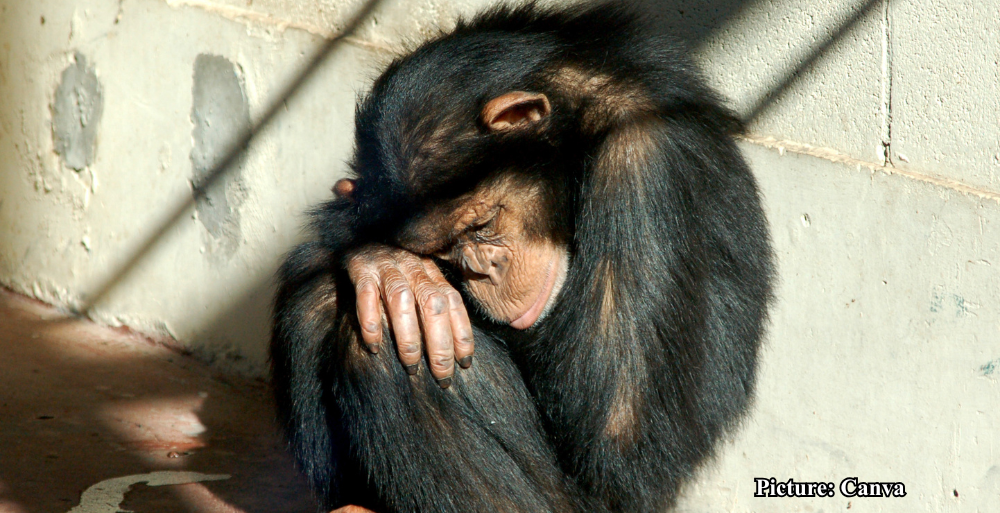
Recent explorations into the compatibility of blood types between humans and great apes highlight significant biological similarities but also underscore substantial risks associated with potential interspecies transfusions.
As advancements in genetics and medicine continue to unfold, researchers are delving into the compatibility of blood types across different species, raising a pivotal question: Is it feasible for a human to receive a blood transfusion from a chimpanzee? This inquiry not only probes the biological and genetic parallels between humans and great apes but also examines the broader implications of xenotransfusion—the process of transferring blood or blood components from one species to another.
Humans typically fall into one of four primary blood types: A, B, AB, and O. These classifications are determined by specific molecular markers called antigens present on the surface of red blood cells. Antigens play a crucial role in the immune system’s ability to distinguish between the body’s own cells and those that are foreign. Beyond the ABO blood group system, human blood can also be categorized based on the Rhesus D (RhD) factor, resulting in a total of eight distinct blood types: A+, A-, B+, B-, AB+, AB-, O+, and O-.
Blood Type Similarities in Great Apes
Great apes, including chimpanzees, bonobos, orangutans, and gorillas, share a close genetic lineage with humans. Research indicates that chimpanzees and bonobos predominantly have type A blood, while orangutans can exhibit blood types A, B, AB, and O. Notably, gorillas present a unique challenge, as their blood types do not conform to the human ABO classification system, indicating that while similarities exist, there are also significant differences among these closely related species.
Moreover, all great apes are classified based on their Rh factor status, similar to humans. However, the RhD antigens found in great apes differ from those present in humans, complicating the potential for successful transfusions. These distinctions could result in adverse immune responses should transfusions be attempted, raising critical medical concerns.
The Risks Associated with Xenotransfusions
The notion of xenotransfusion carries inherent risks. Although there is some compatibility potential between type O chimpanzees and humans, the associated risks are considerable. The introduction of foreign antigens into a human’s bloodstream could provoke severe immune responses, leading to transfusion reactions that may be life-threatening. Such complications emphasize the importance of thoroughly understanding blood compatibility before any interspecies transfusion can be seriously considered.
In light of these challenges, researchers are investigating alternative sources for safe xenotransfusions. One promising avenue involves genetically modified pigs, which have been designed to produce blood cells that are more compatible with the human immune system. This innovative approach presents a potentially safer option compared to using great ape blood, despite the closer genetic relationship between humans and these primates. The ongoing research into genetically modified organisms underscores the creative strategies being developed to address blood supply shortages and enhance transfusion safety.
The Broader Landscape of Animal Blood Types
The exploration of blood compatibility extends beyond humans and great apes. Numerous other animal species demonstrate a variety of blood types, with livestock such as cows, dogs, and chickens being among the most extensively studied. For instance, cattle possess eleven different blood types, while both dogs and chickens have a remarkable thirteen types. However, many wild species remain untyped, leaving significant gaps in our understanding of interspecies blood compatibility.
The study of animal blood types not only enhances veterinary medicine but also has implications for human healthcare. A deeper understanding of blood compatibility intricacies could unlock novel therapeutic options, facilitating the use of animal blood in human transfusions. As research progresses in this field, it may pave the way for innovative solutions to address blood supply challenges in human medicine.
Conclusion: The Future of Transfusion Medicine
While the genetic similarities between humans and great apes spark intriguing questions regarding the feasibility of blood transfusions, current medical knowledge indicates that such procedures would carry significant risks. The complexities surrounding blood type compatibility, combined with the variations in antigens, highlight the critical need for careful consideration in the pursuit of xenotransfusion. As research continues into genetically modified pigs and other animal blood sources, the future of transfusion medicine may evolve, potentially offering safer alternatives that bridge the gap between species.
This exploration serves as a reminder of the delicate balance between scientific curiosity and the ethical considerations that accompany interspecies interactions. The journey towards understanding blood compatibility across species is not merely a scientific endeavor; it is also a reflection of our responsibility to ensure that medical advancements prioritize safety and efficacy.






No Comment! Be the first one.