






By the time most people reach their later decades, visible signs of aging are expected — wrinkles deepen, posture shifts, and energy levels change. Yet some individuals in their 60s, 70s, and beyond seem to radiate health, confidence, and physical vitality. Psychologists say this kind of beauty has far less to do with genetics or cosmetic interventions than with consistent lifestyle habits that support both mental and physical well-being.
A growing body of psychological and medical research suggests that people who age gracefully tend to follow a small set of behaviors that protect the body, regulate stress, and preserve emotional balance. Experts emphasize that these habits don’t aim to “stop aging,” but to allow the body to age well.
Here are eight habits psychology links to sustained physical attractiveness later in life.
1. They protect sleep as a non-negotiable priority
Sleep is often underestimated as a beauty tool, but researchers say it may be one of the most powerful anti-aging behaviors available.
A study published in Clinical and Experimental Dermatology found that chronic poor sleep quality is associated with increased intrinsic skin aging, weaker skin barrier function, and lower satisfaction with physical appearance. Participants with inadequate sleep showed more than twice the visible aging markers compared to consistent sleepers.
“Sleep is when the body conducts most of its repair and regeneration,” researchers noted. “Disrupting this process accelerates visible aging.”
People who age well tend to treat sleep as essential, not optional — maintaining consistent bedtimes, minimizing light exposure, and aiming for seven to nine hours nightly.
2. They stay physically active — without extremes
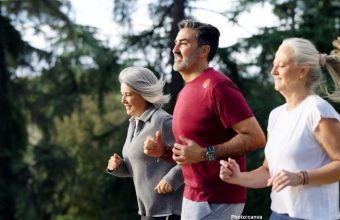
Psychologists emphasize that beauty-preserving movement doesn’t require intense workouts. Instead, it’s the habit of regular movement that matters most.
Long-term studies on aging populations show that older adults who maintained moderate physical activity — walking, gardening, light resistance work — were twice as likely to experience successful aging, defined by mobility, cognitive function, and physical health.
“Movement improves circulation, posture, muscle tone, and stress regulation,” health researchers explain. “All of which directly affect how a person looks and carries themselves.”
The key factor is consistency, not intensity.
3. They manage stress before it becomes chronic
Stress is one of the most underestimated accelerators of physical aging. Elevated cortisol levels break down collagen and elastin — the proteins responsible for skin firmness and elasticity.
According to the National Institutes of Health, chronic stress increases inflammation and speeds visible aging, particularly in the face.
People who age attractively tend to build daily decompression habits — meditation, creative hobbies, outdoor activity, or quiet reflection.
“You can’t eliminate stress,” psychologists say, “but you can prevent it from becoming your baseline.”
4. They stay consistently hydrated
Hydration plays a critical role in skin health, circulation, and cellular function.
Research published in Clinical, Cosmetic and Investigational Dermatology found that increased daily water intake improved skin hydration and elasticity, especially among individuals who previously drank insufficient fluids.
Those who age well don’t rely on occasional water intake. They sip consistently throughout the day, making hydration automatic rather than reactive.
5. They maintain strong social connections
Loneliness doesn’t just affect mental health — it visibly ages the body.
A Cornell University study found that individuals with stronger lifelong social connections experienced slower epigenetic aging and lower chronic inflammation levels.
“Social engagement protects the body at a cellular level,” researchers reported.
People who remain physically vibrant tend to stay socially engaged — through volunteering, friendships, family relationships, or community involvement. These connections provide purpose, emotional regulation, and psychological resilience.
6. They protect their skin from sun damage
Dermatologists estimate that up to 80 percent of visible skin aging is caused by cumulative sun exposure.
Those who age well typically practice simple, consistent sun protection — daily sunscreen use, protective clothing, and shade awareness — without obsessing.
“Sun damage compounds silently over decades,” experts warn. “Prevention is vastly more effective than treatment.”
7. They eat mindfully rather than restrictively
Psychology research consistently shows that extreme diets increase stress and hormonal imbalance, both of which worsen aging markers.
People who maintain beauty later in life typically eat with awareness, not rigidity — prioritizing whole foods, vegetables, fruits, healthy fats, and moderation.
“Nutrition affects inflammation, skin tone, and energy levels,” researchers note. “The goal is nourishment, not deprivation.”
8. They accept aging instead of resisting it
Perhaps the most overlooked habit is psychological acceptance.
Studies on self-perception and aging reveal that individuals who accept age-related changes experience lower stress, higher confidence, and stronger social engagement — all factors that influence perceived attractiveness.
“There is something profoundly attractive about self-acceptance,” psychologists say. “People who are comfortable with who they are radiate calm and confidence.”
Rather than attempting to look decades younger, these individuals allow their appearance to reflect a life lived fully — laugh lines, silver hair, and all.
The psychology of lasting beauty
Experts emphasize that aging well is not about chasing youth, but about supporting the systems that keep the body resilient.
“Physical beauty in later life emerges from habits that protect sleep, reduce stress, support connection, and promote self-acceptance,” psychologists conclude. “None of these require wealth — only consistency.”
In the end, the most enduring beauty isn’t about erasing time — it’s about working with it.




No Comment! Be the first one.